

Gabby’s Light
Gabby’s Light is our blog focused on shining a light on domestic violence through survivor stories and informational articles.
Gabby’s Light also shines on valuable information for those with missing loved ones and highlights ways the community can offer support.

What Emotional Consistency Looks Like in Healthy Relationships
Valentine’s week often focuses on big gestures like gifts, attention, and declarations of love. But one of the most important qualities of a healthy relationship is much quieter: emotional consistency.

How Unhealthy Patterns Can Show Up in New Relationships
Valentine’s week often comes with a rush of optimism. New relationships feel exciting, full of possibility, and emotionally charged. After leaving an unhealthy dynamic, that excitement can feel especially meaningful, like proof that you’re moving forward.

“It Wasn’t All Bad” Can Still Mean It Was Unhealthy
One of the most common reasons people question whether a relationship was truly unhealthy is a simple, honest thought: it wasn’t all bad.
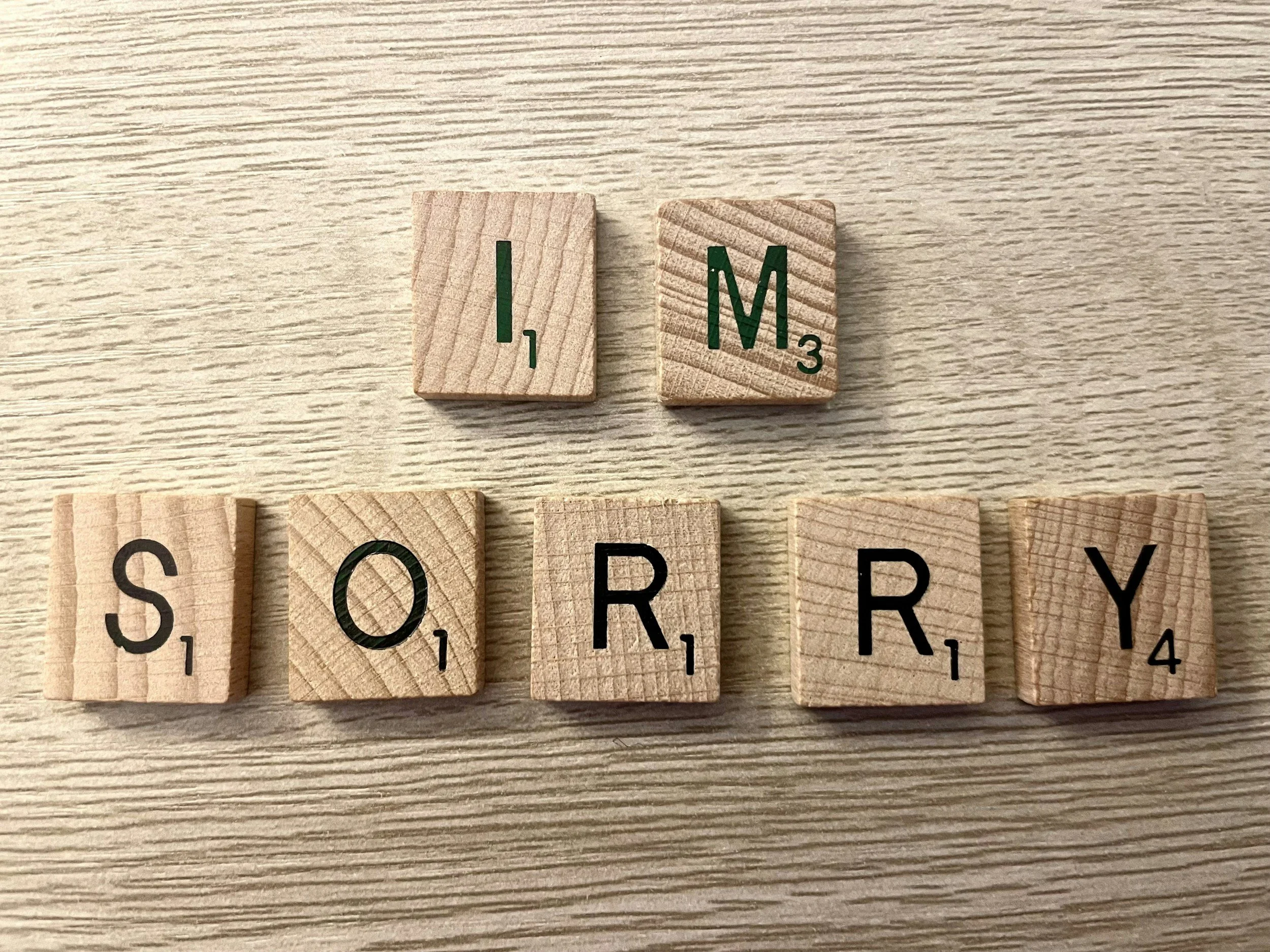
When Apologies Are Used to Avoid Accountability
Apologies are often seen as the ultimate repair tool in relationships. When someone says “I’m sorry,” it can feel like a turning point, a feeling that serves as some type of proof that they understand the harm and want to do better.

Teens, If Your Relationship Makes You Feel Smaller, Pay Attention
Relationships are supposed to feel exciting, supportive, and safe. Especially when you’re a teenager, they can feel intense, like the most important thing in your world. That intensity alone doesn’t mean something is wrong.

When a Teen Relationship Starts to Take Over Everything
Teen relationships can feel intense. They’re often fast, emotional, and all-consuming. That intensity alone doesn’t mean something is wrong. But when a relationship begins to take over a teen’s world, quietly replacing friendships, interests, and independence, it’s worth paying attention.

Why Leaving an Unhealthy Relationship Doesn’t Always Bring Immediate Relief
Leaving an unhealthy relationship is often described as a turning point, and those outside of the situation looking in might view it as a singular moment of freedom or clarity. But for many people, that perceived relief doesn’t actually arrive internally right away.

The Difference Between Support and Control in Relationships
Support and control can look surprisingly similar at first. Both can involve attention, concern, and involvement in someone’s life. The difference isn’t always obvious, particularly when behavior is initially framed as care or protection.
How to Trust Yourself Again After an Unhealthy Relationship
Leaving an unhealthy relationship doesn’t always bring instant clarity. Even after distance is created, many people find themselves questioning their own instincts, memories, and decisions.

The Relationship I Thought Was Over
I met him when I was 18, and it started in a way that felt almost ordinary for that stage of life.

Why Abuse Survivors Often Second-Guess Themselves
Self-doubt is one of the most painful aftereffects of an unhealthy relationship. Even when someone knows something wasn’t right, they may still question their own memory, instincts, or reactions. That inner conflict can linger long after a relationship ends, making people wonder if they imagined things or somehow caused the harm themselves.

What Emotional Safety Actually Feels Like in a Relationship
A lot of people know what an unhealthy relationship feels like: stress, confusion, or a constant sense of walking on eggshells. But far fewer people can describe what emotional safety actually looks like when things are healthy.
When Someone Won’t Let Go After a Breakup
Breakups are emotional. People grieve, feel confused, and often want answers that don’t exist. Reaching out once or twice after a relationship ends can be part of processing that loss.
How to Tell If Someone Is Crossing Your Boundaries (Even Unintentionally)
Not all boundary violations come from bad intentions. In many relationships, lines are crossed quietly through repeated requests, emotional pressure, or expectations that slowly grow over time. Because these moments don’t always look dramatic, they’re easy to dismiss, especially when the person involved claims they “just care.”

Top 10 Warning Signs of an Unhealthy Relationship
Unhealthy relationships don’t always begin with obvious harm. More often, they start with subtle patterns that feel confusing, easy to dismiss, or hard to explain. Discover the top 10 red flags here.
How Emotional Abuse Can Start Without You Realizing It
Emotional abuse rarely begins with obvious harm. There isn’t always a moment that feels clearly wrong or alarming. More often, it starts subtly, through the tiniest behavioral shifts that are easy to dismiss, explain away, or misunderstand.
Healthy Relationships in High School: What Teens (and Parents) Should Know
High school is often where people experience their first serious relationships. These connections can feel exciting, intense, confusing, and deeply important, especially when emotions are new and social pressure is high.

Location Sharing, Passwords, and Privacy: What’s Healthy vs. Controlling
Technology plays a central role in modern relationships. Location sharing, shared passwords, and constant communication are often framed as signs of closeness or trust, but in some situations, these behaviors can quietly cross into control.

Why Jealousy Is Often Mistaken for Love
Jealousy is one of the most misunderstood emotions in relationships. It’s often framed as passion, devotion, or proof that someone cares deeply. Movies romanticize it. Social media jokes about it. Friends may even reassure one another that jealousy is “normal.”

When Stalking Is Part of a Larger Pattern: Awareness, Safety, and Why This Month Matters
January marks National Stalking Awareness Month (NSAM) - a time dedicated to recognizing stalking for what it is: a serious, dangerous, and often misunderstood crime. Now in its 22nd year, NSAM is a national call to action to improve awareness, support victims, and hold offenders accountable - not just this month, but all year long.
Share Your Story – Become a Blog Contributor
Do you have a survivor story to share? Have you experienced the pain of a missing loved one? Your voice matters. We are looking for contributors to share personal experiences, insights, and advocacy efforts related to domestic violence and missing persons.
By sharing your story, you can help raise awareness, inspire others, and be a part of meaningful change. If you're interested in contributing to our blog, please reach out—we’d love to hear from you.
Use contact form here or Email us at: info@gabbypetitofoundation.org. Subject: Blog