
Gabby’s Light
Gabby’s Light is our blog focused on shining a light on domestic violence through survivor stories and informational articles.
Gabby’s Light also shines on valuable information for those with missing loved ones and highlights ways the community can offer support.

How to Document Concerning Behavior Before It Escalates
When something feels off in a relationship, the hardest part is often not the behavior itself. It is often the lack of clarity around it that makes people feel unstable or uncertain about whether what they’re experiencing is abusive.

Why Things Often Get Worse After Conflict in Unhealthy Relationships
Conflict doesn’t always resolve things. In some relationships, it escalates them.
What begins as a disagreement can become a turning point, not toward clarity and resolution, but rather toward increased tension, control, or instability.

Relationship Questions People Ask, But Don’t Say Out Loud
Not every concern about a relationship is easy to voice.
Sometimes the questions stay internal. They sound small. They feel uncertain. Nonetheless, sometimes the silent questions that never leave your mind and heart are the ones most worth paying attention to.
Why Domestic Violence Prevention Must Start Earlier Than We Think
Most public conversations about domestic violence begin after something catastrophic has already happened. After a missing persons report. After a hospital visit. After an arrest.
When You’re Not Sure If It’s Abuse: Trusting the “Something Feels Off” Moment
Not every unsafe relationship begins with something dramatic. There may be no shouting. No threats. No visible evidence. Just a persistent, quiet feeling that something isn’t right. That feeling in and of itself is important.

Women’s History Month Is Also a Call to Protect Women
March is Women’s History Month — a time to celebrate resilience, leadership, and progress. But it’s also a time to confront a reality that still impacts millions of women and families across the United States: domestic violence remains one of the most urgent public safety and public health issues of our time.

What Is Coercive Control? The Pattern That Often Comes Before Escalation
When people think about abusive relationships, they often picture visible harm — yelling, threats, or physical violence.

Why Uncertainty Is Often the First Red Flag in a Relationship
Many people expect red flags in relationships to be obvious: yelling, threats, or clear boundary violations. For a large number of survivors, however, the earliest warning sign is much quieter.

What Emotional Consistency Looks Like in Healthy Relationships
Valentine’s week often focuses on big gestures like gifts, attention, and declarations of love. But one of the most important qualities of a healthy relationship is much quieter: emotional consistency.

The Relationship I Thought Was Over
I met him when I was 18, and it started in a way that felt almost ordinary for that stage of life.

What Emotional Safety Actually Feels Like in a Relationship
A lot of people know what an unhealthy relationship feels like: stress, confusion, or a constant sense of walking on eggshells. But far fewer people can describe what emotional safety actually looks like when things are healthy.
When Someone Won’t Let Go After a Breakup
Breakups are emotional. People grieve, feel confused, and often want answers that don’t exist. Reaching out once or twice after a relationship ends can be part of processing that loss.

10 Patterns That Could Be Stalking — Even If You Don’t Recognize It Yet
Stalking is more than isolated incidents. It’s a pattern of repeated behavior that causes fear, intrusion, and loss of autonomy. Yet because many stalking behaviors begin subtly, people often dismiss them as persistence, affection, or normal relationship interest. Recognizing stalking early, especially when it’s not yet extreme, can save lives.

Is This Stalking or Just a Bad Breakup? How to Tell the Difference
Breakups are emotional. People reach out, try to get closure, or struggle to let go, and that’s normal. But sometimes, what feels like a “messy breakup” is actually something more serious: a pattern of behavior that crosses into stalking.

Location Sharing, Passwords, and Privacy: What’s Healthy vs. Controlling
Technology plays a central role in modern relationships. Location sharing, shared passwords, and constant communication are often framed as signs of closeness or trust, but in some situations, these behaviors can quietly cross into control.

Why Jealousy Is Often Mistaken for Love
Jealousy is one of the most misunderstood emotions in relationships. It’s often framed as passion, devotion, or proof that someone cares deeply. Movies romanticize it. Social media jokes about it. Friends may even reassure one another that jealousy is “normal.”
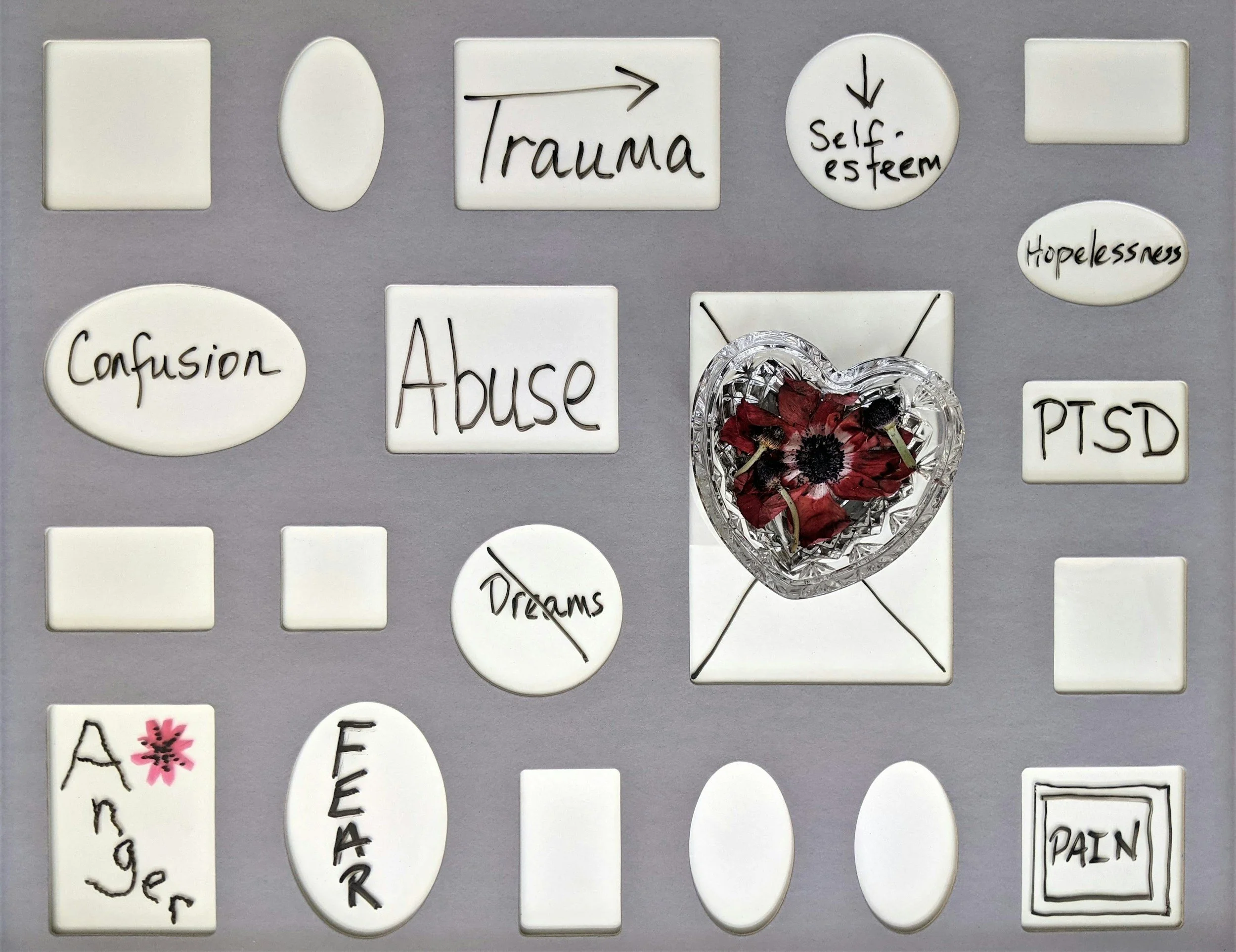
Understanding the Cycle of Abuse: Why It’s So Hard to Leave Unhealthy Relationships
Many people wonder why someone stays in a relationship that causes harm. From the outside, the answer may seem obvious, but from the inside, the reality is far more complex.

When Stalking Is Part of a Larger Pattern: Awareness, Safety, and Why This Month Matters
January marks National Stalking Awareness Month (NSAM) - a time dedicated to recognizing stalking for what it is: a serious, dangerous, and often misunderstood crime. Now in its 22nd year, NSAM is a national call to action to improve awareness, support victims, and hold offenders accountable - not just this month, but all year long.

How to Check In on a Friend After the Holidays
The days after the holidays can feel surprisingly quiet. The gatherings end, routines resume, and the emotional noise of December fades. For many people, this is when stress, loneliness, or unresolved feelings surface, especially for those who may have struggled quietly through the season in order to put on a brave face.

Why Relationship Stress Often Peaks in January
The holidays are often portrayed as a time of connection, joy, and closeness, but once they end, many people feel an emotional crash. Decorations come down, routines return, and the quiet of January settles in. For many people of all ages, this is when relationship stress becomes more noticeable, not less.
Share Your Story – Become a Blog Contributor
Do you have a survivor story to share? Have you experienced the pain of a missing loved one? Your voice matters. We are looking for contributors to share personal experiences, insights, and advocacy efforts related to domestic violence and missing persons.
By sharing your story, you can help raise awareness, inspire others, and be a part of meaningful change. If you're interested in contributing to our blog, please reach out—we’d love to hear from you.
Use contact form here or Email us at: info@gabbypetitofoundation.org. Subject: Blog