

Gabby’s Light
Gabby’s Light is our blog focused on shining a light on domestic violence through survivor stories and informational articles.
Gabby’s Light also shines on valuable information for those with missing loved ones and highlights ways the community can offer support.
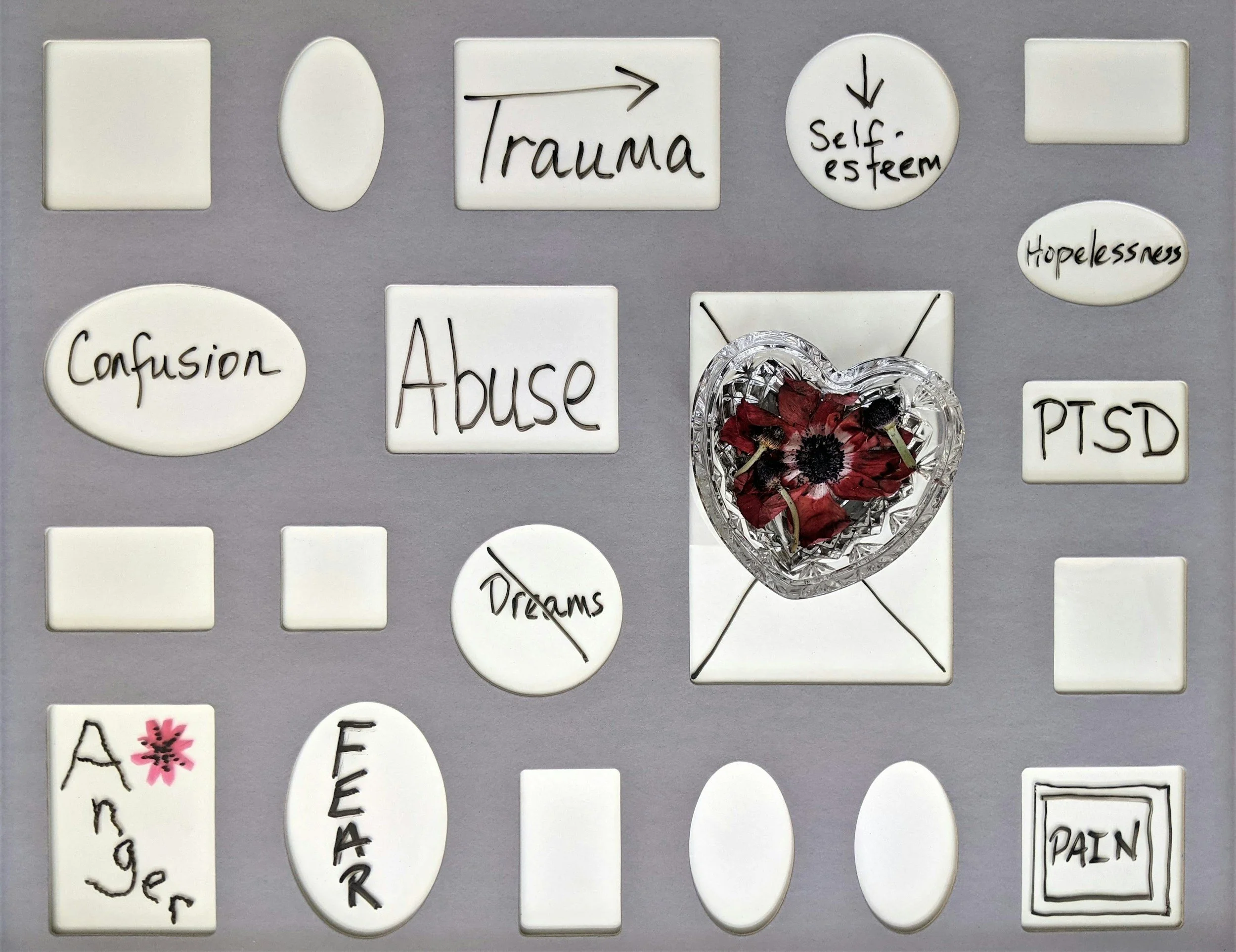
Understanding the Cycle of Abuse: Why It’s So Hard to Leave Unhealthy Relationships
Many people wonder why someone stays in a relationship that causes harm. From the outside, the answer may seem obvious, but from the inside, the reality is far more complex.

When Stalking Is Part of a Larger Pattern: Awareness, Safety, and Why This Month Matters
January marks National Stalking Awareness Month (NSAM) - a time dedicated to recognizing stalking for what it is: a serious, dangerous, and often misunderstood crime. Now in its 22nd year, NSAM is a national call to action to improve awareness, support victims, and hold offenders accountable - not just this month, but all year long.

Early Warning Signs of Emotional Abuse That Often Get Overlooked
Emotional abuse doesn’t always look the way people expect it to. It often develops slowly, quietly, and without clear boundaries, making it difficult to recognize, especially in the early stages of a relationship.

How to Check In on a Friend After the Holidays
The days after the holidays can feel surprisingly quiet. The gatherings end, routines resume, and the emotional noise of December fades. For many people, this is when stress, loneliness, or unresolved feelings surface, especially for those who may have struggled quietly through the season in order to put on a brave face.

Why Relationship Stress Often Peaks in January
The holidays are often portrayed as a time of connection, joy, and closeness, but once they end, many people feel an emotional crash. Decorations come down, routines return, and the quiet of January settles in. For many people of all ages, this is when relationship stress becomes more noticeable, not less.

Going Into the New Year With Intention: Boundaries, Safety, and Self-Trust
New Year’s Eve carries a strange kind of energy. There’s anticipation, reflection, pressure, and often a quiet undercurrent of uncertainty. As midnight approaches, many people feel the weight of expectation: to feel hopeful, motivated, certain, or renewed.

As the Year Ends: Reflecting on Relationships, Safety, and What You Deserve
As the year comes to a close, there’s often an unspoken expectation to reflect, to tally accomplishments, measure growth, and imagine a cleaner, brighter version of ourselves waiting on the other side of midnight. But real reflection doesn’t always look neat. Sometimes it’s quiet. Sometimes it’s emotional. Sometimes it’s simply noticing what felt heavy and what didn’t.

A Holiday Message: You’re Not Alone This Season
The holidays can be beautiful, full of lights, traditions, and moments that bring people together. But they can also be complicated, emotional, or unexpectedly heavy. For many young adults, December arrives with mixed feelings: excitement layered with stress, joy blended with uncertainty, and the pressure to appear cheerful even when things feel hard.

When Going Home for the Holidays Doesn’t Feel Simple
For many people, the holidays are a time of warmth, joy, and togetherness. But for others — especially young adults navigating complex family dynamics or emotionally heavy spaces — going home doesn’t feel simple. The idea of returning to your childhood home, reconnecting with relatives, or stepping back into old patterns can stir up anxiety, tension, or uncertainty.

How to Set Boundaries with Family During the Holidays (and Why It Matters)
The holidays are supposed to feel warm and bright — twinkling lights, familiar traditions, shared meals, and people you love gathered under one roof. But for many young adults, the season also brings complicated emotions. Going home can mean stepping back into old family roles, navigating tense dynamics, dodging personal questions, or trying to meet expectations you never agreed to in the first place.

Social Media and Relationship Pressure: How Online Culture Can Hide Early Warning Signs
Social media touches nearly every part of modern relationships — how they start, how they’re displayed, how they’re compared, and sometimes how they unravel. For teenagers and young adults especially, platforms like Instagram, Snapchat, TikTok, and BeReal shape expectations about what love “should” look like. But behind the curated moments and trending sounds, harmful patterns can quietly take root.

How to Create a Safety Plan: What to Include and How to Start (Even If You Don’t Think You Need One Yet)
There’s a common misconception that safety planning is just for people in crisis, but that isn’t the case. This process is a proactive tool that helps individuals protect themselves, stay prepared, and make intentional decisions when it matters most, regardless of their current circumstances. Whether someone is navigating a difficult relationship, concerned about control or monitoring, or simply wants to be ready for unexpected situations, a thoughtful safety plan increases confidence and security.

Why Young Adults Normalize Unhealthy Relationship Behaviors and How to Recognize Red Flags Early
It’s never been easier to start a relationship or easier to misunderstand what a healthy relationship looks like. Young adults often navigate love and dating at the intersection of social media culture, fast-moving communication, and constant digital connection. Because of this, early warning signs of unhealthy behavior can be harder to spot, easier to explain away, and sometimes even mislabeled as “romantic.”

Digital Stalking, AirTags, and Tracking Devices: What You Need to Know to Stay Safe
Technology has made it easier than ever to stay connected, find lost items, and share our locations with people we trust. But those same tools can be misused to monitor, control, and silently follow someone without their consent. This kind of behavior is often called digital stalking or technology-facilitated abuse, and it can be deeply frightening and disorienting.

How to Talk to a Friend You’re Worried Might Be in an Unsafe Relationship
When someone you care about is in a relationship that feels “off,” it can be difficult to know what to say, or whether to say anything at all. You may notice isolation, sudden behavior changes, secrecy, anxiety around texting, or a partner who seems controlling or unpredictable. But approaching the conversation can feel intimidating. You don’t want to overstep, push too hard, or lose your friend’s trust.

Digital Safety & Warning Signs of Digital Abuse Every Young Adult Should Know
Young adults today live in a world where relationships unfold across text messages, social media, apps, and shared locations. Technology connects us, but it can also create new pathways for control, manipulation, and harm.
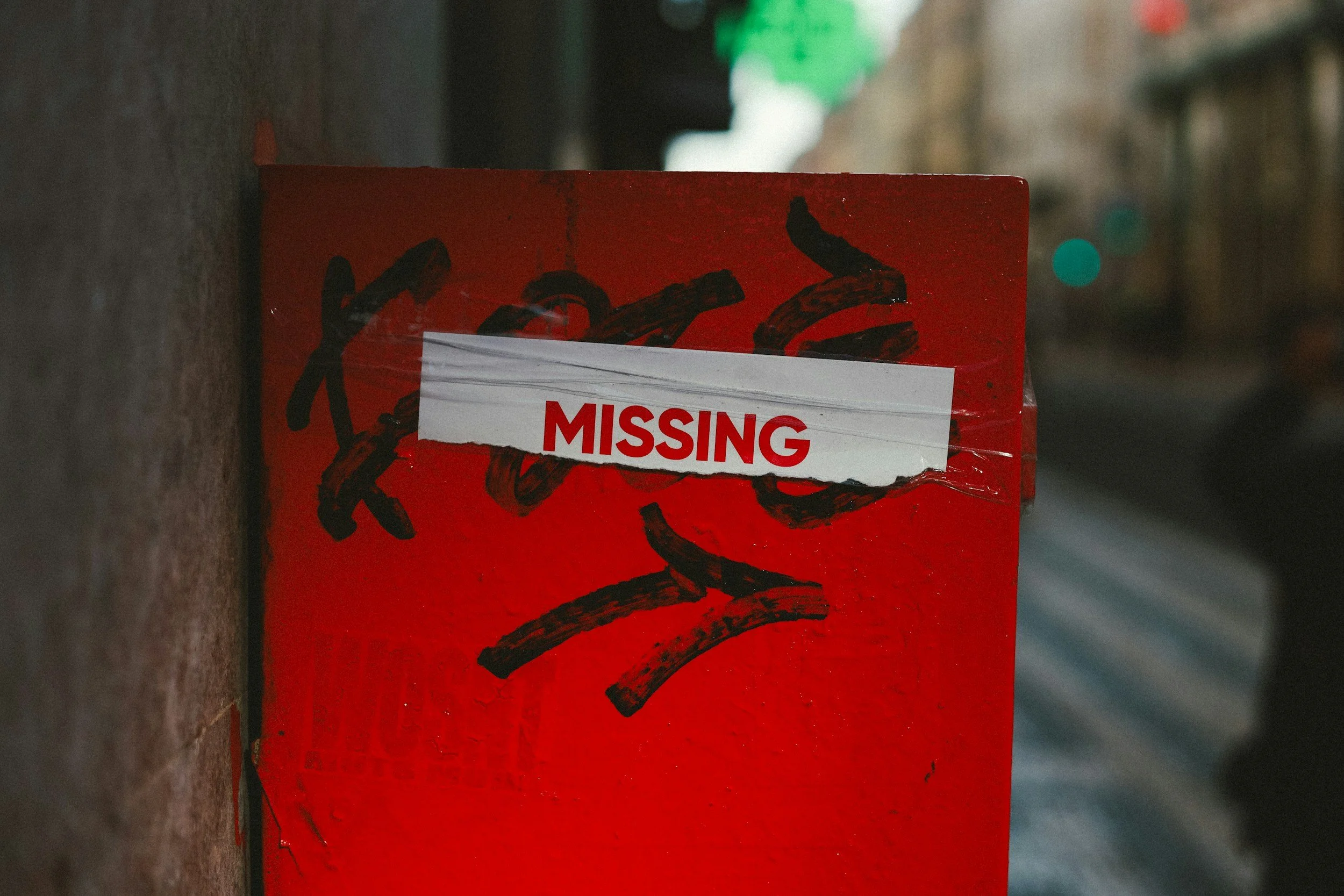
What Not To Do When a Loved One Goes Missing: Myths, Mistakes, and Harmful Advice to Avoid
When someone you love goes missing, every moment becomes charged with fear, confusion, and urgency. You may feel pulled in a dozen directions at once — call everyone you know, search endlessly on social media, chase potential clues, or hold back out of fear of “doing the wrong thing.” It is one of the most emotionally overwhelming experiences a family can face.

Strangulation in Domestic Violence A Dangerous Path to Homicide
Strangulation in domestic violence is a deadly warning sign that should never be ignored. It is not just an act of violence, it is an attempt to control, terrorize, and potentially kill.
Image credit: Training Institute on Strangulation Prevention

Twice Broken, Still Standing: Tiffany’s Journey Through the Cycle of Abuse
Read Tiffany’s story about how she found herself in an abusive relationship a second time. “Don’t just look for bruises. Look for uncharacteristic changes. Look for silence. For the girl who stopped dreaming. The one who used to call but suddenly doesn't. That’s your red flag.”

Share Your Story – Become a Blog Contributor
Do you have a survivor story to share? Have you experienced the pain of a missing loved one? Your voice matters. We are looking for contributors to share personal experiences, insights, and advocacy efforts related to domestic violence and missing persons.
By sharing your story, you can help raise awareness, inspire others, and be a part of meaningful change. If you're interested in contributing to our blog, please reach out—we’d love to hear from you.
Use contact form here or Email us at: info@gabbypetitofoundation.org. Subject: Blog